


Incoming laws preventing tax losses in superannuation mergers will spur more funds to unite as they face greater compliance workloads, according to an industry peak body.
The draft legislation, aiming to allow merging super funds to offset investment losses against future capital gains tax (CGT), will trigger the latent plans of many funds to join forces as they seek to provide better services and cope with the administrative burden of running mandatory default funds from mid-2013, according to the Australian Institute of Superannuation Trustees (AIST).
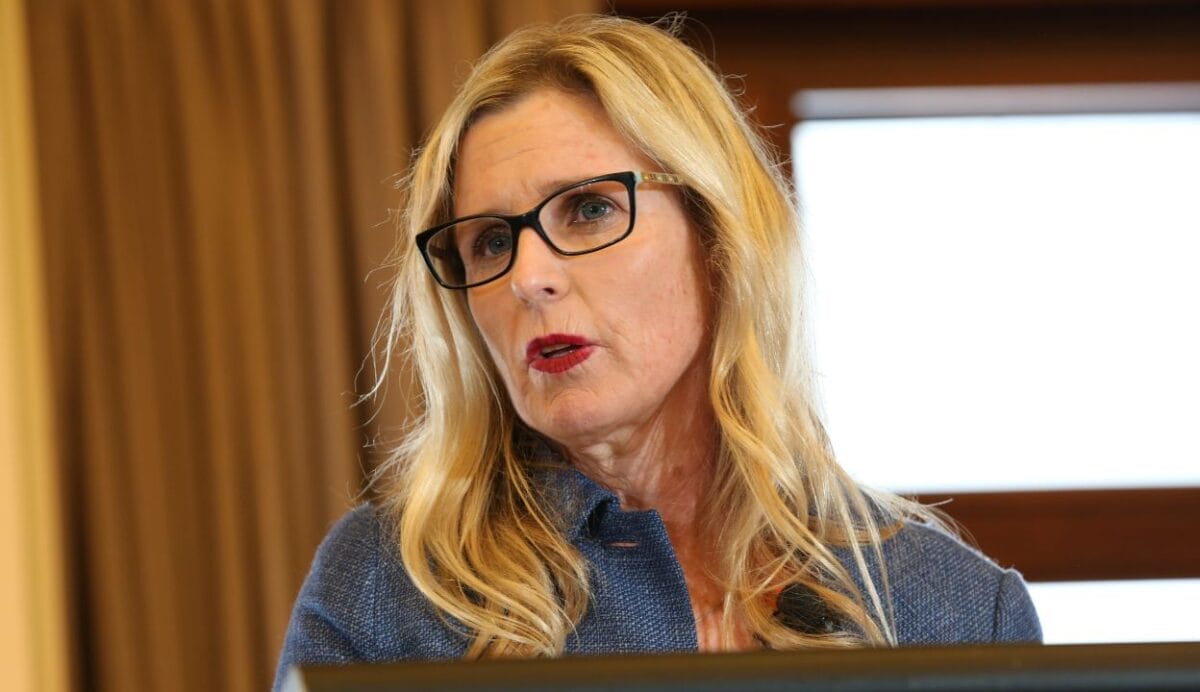
“A lot of member funds that were looking at merging were not going to without CGT relief,” Fiona Reynolds, chief executive of AIST, said in a telephone interview yesterday. “They were going to have to pay so much money that it would have been against members’ best interests.”
The industry fund representative, AIST expects some funds to undergo mergers as they design and seek licenses for MySuper funds before compulsorily operating the new default products on July 1, 2013. “We expect to see more funds merge during the MySuper licensing process,” Reynolds said. “A lot of smaller corporate and industry funds will roll into larger funds because of the added complexity and compliance.”
Obstacle identified and overcome
Earlier this year, a survey of AIST members, who oversee about $450 billion, found that at least 20 funds cited the lack of CGT relief as an obstacle to mergers. Not knowing whether $45 million in tax offsets would be gained stalled the union of AustralianSuper and AGEST. CareSuper and ASSET Super set a merger date of October 30 after guaranteeing that $30 million would be deducted from a future tax bill.
The draft legislation, released on Friday August 3, provides so-called CGT relief to funds merging between October1, 2011 and July 2, 2017. The offsets can be claimed on all revenue-generating assets irrespective of the net performance of funds. The rules, which are subject to public consultation until August 24, should improve the confidence among trustees, according to the Association of Superannuation Funds of Australia (ASFA), another industry peak body.
“There is no doubt that conversations about mergers are happening in board rooms. Trustees will now have greater certainty about the legislation,” Pauline Vamos, chief executive of Association of Superannuation Funds of Australia, said in an interview yesterday.











Leave a Comment
You must be logged in to post a comment.