

Investment governance policies that saved pension funds during the financial crisis may be harming them now. SIMON MUMME reports.
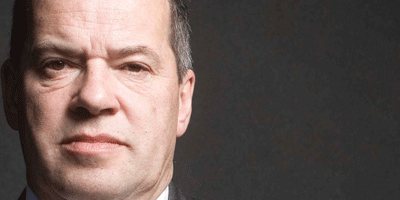
Governance policies, designed to force fund trustees to carefully think decisions through, “protected” institutional investors worldwide from making panicked decisions during the global financial crisis, says Tim Gardener, London-based head of consultant relations at AXA Investment Managers.
“We’re hard-wired to take risks we shouldn’t because we’re over-confident,” Gardener says.
“We’re hard-wired to act in response to danger without thinking. In investment, both of these behaviours are wrong behaviours.”
Most investors did not panic and sell assets. However “cumbersome” governance policies meant they missed opportunities to buy good assets cheaply from sellers in need of capital when the crisis broke.
“The behaviour of people in a crisis is to run. We didn’t run because of [our] governance processes. But looking forward we need governance policies that are pro-active.”
Governance policies should be flexible enough to allow funds to make opportunistic investments within narrow timeframes when there is evidence showing that they can make money.
Speak of the devil
Volatile markets provide opportunities for funds to buy good assets cheaply. To invest opportunistically, funds need to strike a balance between bravery and certainty, Gardener says.
“The right thing to do is to think about the returns,” he says. “The more attractive they become, think about how you can manage the volatility rather than say it’s too volatile.”
Focusing on returns can distract funds from their fear of performing worse than their peers. Real risk, Gardener says, is not volatility or performing worse than other funds. It is losing members’ money.
“What worries me about the Australian industry is the number of professionals who say: ‘That’s the way it’s done, so we have to do it that way’,” he says.
A fund’s investment committee, comprised of members from its board, must support a variety of opinions. Popular views should be challenged and each reasonable argument aired.
But challenging consensus is not easy. “I’m a devil’s advocate and extremely disagreeable person. To be the obstructionist is a very difficult role.”
Funds should base their asset allocations upon solid facts, such as economic growth in emerging markets, and not be tempted to speculate on “unknowns”, such as the fate of the euro, Gardener says in a presentation made to Australian investors on November 7, 2011, called Now that the dust has settled.
Seeking better returns, funds should accept mistakes from “trusted suppliers” of investment services, such as funds managers, asset consultants and chief investment officers.
“Success in this decade will not come from making no mistakes, but from those who learn from the mistakes they make,” the presentation says. Reacting to news in volatile markets can also compromise funds’ investment decisions.












Leave a Comment
You must be logged in to post a comment.